Best Bidet Seats
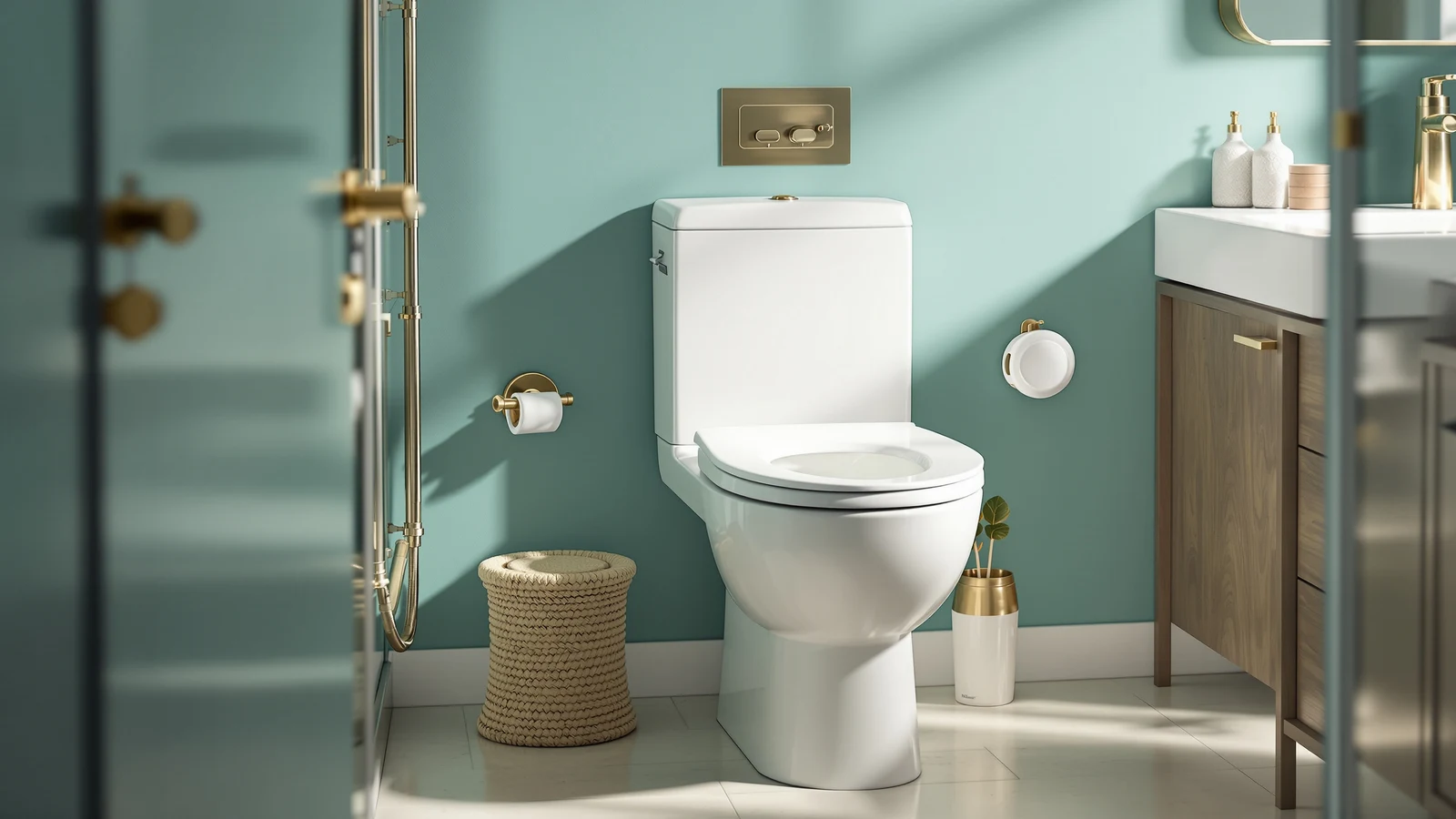
A modern bathroom with a white electric bidet toilet seat, safe for a household with young children and pets
Buying Guide · 2026

Bidet Seats That Are Safe Around Kids and Pets

Best Bidet Seats is reader-supported. When you buy through our links we may earn a commission, at no extra cost to you. Commissions never change which products we recommend.

Quick answer

The short version

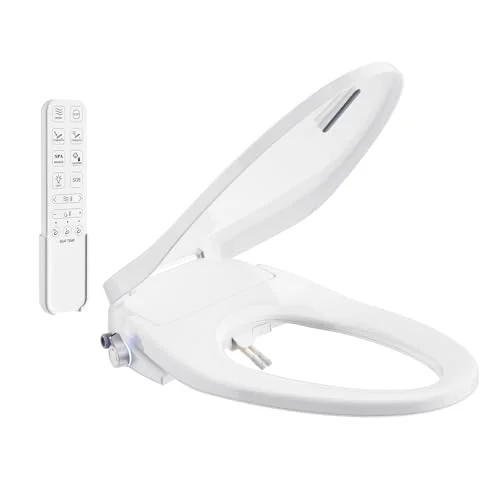
Most electric bidet seats will fire a wash cycle to anyone or anything that presses a button or bumps a lid sensor — a toddler exploring the remote, a cat walking across the seat. The fix isn't a single magic feature; it's a combination of a seat-occupancy sensor that gates the spray behind actual weight on the seat, and on some models a dedicated child or kids mode that softens pressure and shortens the cycle. Of the three seats we cover here, the SR SUN RISE Electric Bidet Toilet Seat ($99.98) is the one built for an elongated bowl and worth checking first if that's your toilet shape; the two LOUPUSUO Electric Heated Bidet Toilet Seats ($169.99 each) give you a second, separately-listed unit to compare fit and price against. None of that replaces a closed bathroom door — see what to still lock down below.

Before you buy

Things to know before you buy

One honest note before we start: we don't run a fake testing lab, and we never pretend to. Everything here comes from published specifications, listing details and general product-safety reasoning about how these mechanisms work — not from putting a toddler or a cat in front of a bidet seat ourselves.

Why you should trust us

Why you should trust us

Best Bidet Seats is written and maintained by Ilane Tall, who researches and compares bidet toilet seats and attachments using manufacturer specifications, listed pricing and verified buyer feedback. We do not accept payment to feature a product, and every Amazon link is disclosed and marked nofollow sponsored. Where a spec isn't published — as with child-lock features on the seats below — we say so instead of guessing.

Methodology

How we picked

We started from our database of electric bidet seats and looked specifically at the mechanism that decides whether an accidental activation is even possible: whether the seat requires detected weight before it will spray, whether the listing mentions a child- or kids-specific setting, and whether the bowl-shape fit is stated clearly enough that a parent isn't guessing. We excluded attachments and non-electric seats from this particular guide, since the accidental-activation problem is specific to seats with an electric pump and a remote a small hand can reach.

How we compared

How we compared

We compared the three seats below on their published specs and listing copy — size/variant, price and stated features — side by side. We did not physically test activation behavior on any unit, and we don't claim to have watched a child or a pet interact with one. Where a listing is silent on a feature, we treat that as "unknown," not as "no," and we tell you which is which.

The mechanism

How an accidental activation actually happens

An electric bidet seat has, at minimum, three ways to start a wash cycle: a button on a side panel bolted to the seat, buttons on a wireless remote that lives on a nearby wall or counter, and — on some models — an automatic trigger tied to the seat-occupancy sensor. Any of the three can fire without an adult intending it.

The side panel is the most common culprit with young children. It sits at exactly toddler height, right where a curious hand naturally lands while climbing onto or off of a step stool, and the icons are big, colorful and button-like — everything a toddler is trained by other objects in the house to want to press. A remote left on the bathroom counter is just as reachable, and unlike the panel it can be carried off and experimented with anywhere in the house.

Pets introduce a different failure mode. A cat walking across a closed lid, or jumping up to drink from an open bowl, can apply enough concentrated pressure through a paw to register on some seats' sensors, or can nudge a poorly seated remote sitting on the tank lid. Dogs are less often the direct trigger — most are too large to be on the seat — but a tail sweeping a counter-mounted remote onto the floor, buttons-down, has been enough in isolated reports to trip a cycle.

The through-line is the same in both cases: none of these mechanisms know who or what is touching them. A button is a button whether a toddler or an adult presses it, and a pressure sensor registers pressure whether it comes from a seated adult or 10 pounds of cat. That's exactly why seat-occupancy sensors and dedicated child modes matter — and why neither is a complete fix alone.
The main defense

Seat-sensor switches: what they weight-detect, and what they miss

A seat-occupancy sensor is a switch — usually a simple pressure pad or a set of contacts under the seat hinge — that reports whether weight is currently on the seat. On seats that wire the wash function through this sensor, pressing the wash button does nothing unless the sensor is also reporting weight. That single interlock closes off the most common accident: a toddler standing next to the toilet and pressing the remote, or leaning on the panel while the lid is up and nobody is seated, produces no spray, because nothing is sitting on the seat.

What it doesn't solve is anything that happens once weight is present. A small child who climbs up and sits down registers as "occupied" exactly the way an adult would, and a wash cycle at full adult pressure and duration can then be triggered by any button within reach. A cat sitting or lying on a closed lid can, on some designs, register enough pressure through the lid to satisfy the sensor too, particularly on lighter-built seats where the hinge switch is tuned for sensitivity rather than a high weight threshold.

It's also worth being precise about what "seat sensor" claims actually promise. A published spec that says a seat has an occupancy or auto-open/close sensor describes a mechanism for detecting presence — it is not, by itself, a claim about a weight threshold tuned to exclude pets, and not a claim about a child-specific pressure or duration setting. Those are different, additional features, covered next. Reviewers consistently note that a stated occupancy sensor is the baseline signal a seat won't spray at nothing — not a guarantee against every scenario involving a small child or a pet.

The second layer

Dedicated child modes: gentler pressure, shorter cycles

Where a manufacturer builds one in, a child or "kids" mode is a separate setting — usually selected from the remote or side panel — that swaps the default wash profile for one with lower water pressure and a shorter cycle length, sometimes paired with a lower maximum seat-heater temperature. The logic is straightforward: an adult-tuned wash is calibrated for adult sensitivity and adult patience, and neither assumption holds for a small child.

This is a genuinely useful feature where it exists — but it is not universal, and it is not implied by the presence of a seat-occupancy sensor or by "multiple pressure settings" in a listing. Multiple pressure settings, on their own, are an adult convenience feature (soft to strong, at the user's own discretion each time); a child mode is a persistent, purpose-built profile a parent sets once. The only reliable way to know whether a specific seat has one is to check that model's own listing and manual for the words "child mode" or "kids mode," because we won't attribute the feature to a seat unless its own documentation states it.

For the three seats in this guide, we did not find a stated child-mode setting in the published specifications available to us. That doesn't rule one out — sellers update listings and manuals — but per our rule of never asserting a feature we can't verify, we're not claiming any of the three has a dedicated child mode. If that feature is a priority for your household, confirm it directly on the current Amazon listing before buying, since seller copy changes more often than our database refreshes.

Fit, not safety

Round versus elongated: don't let bowl shape be the blocker

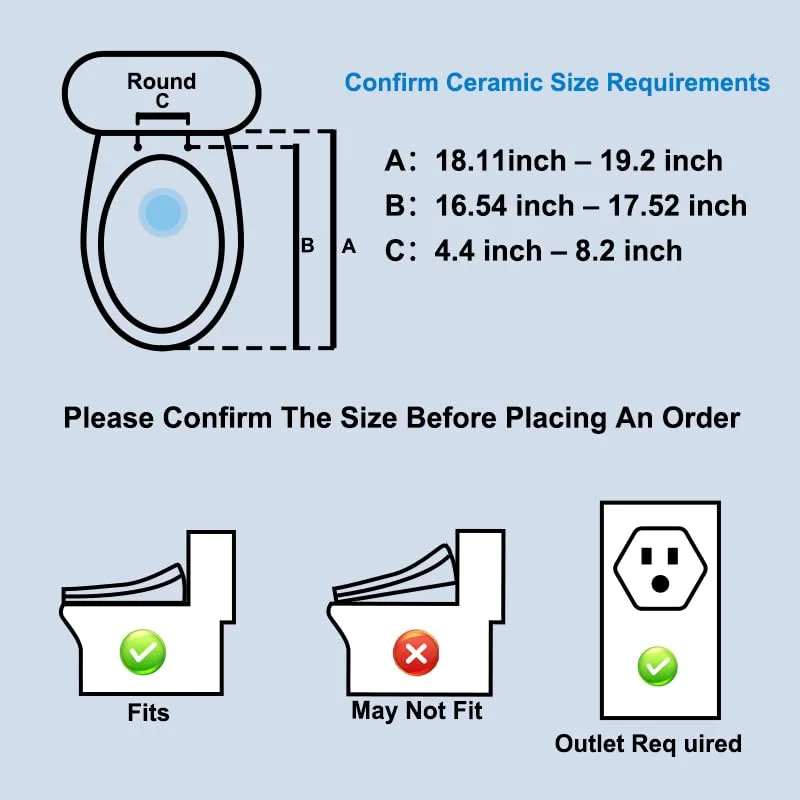
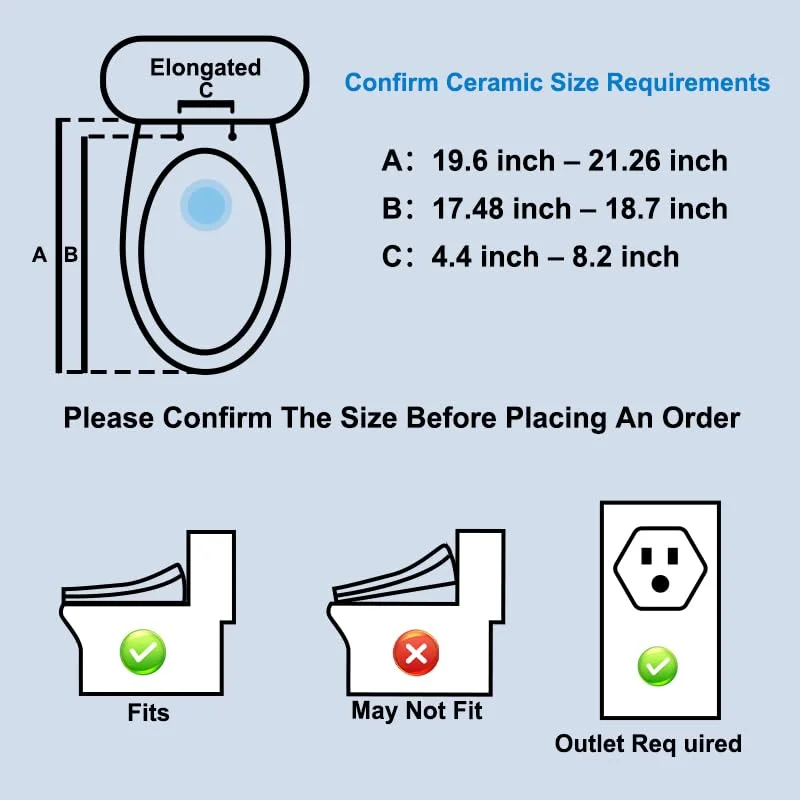
Bowl shape is a fit question, separate from anything above — a perfectly child-safe seat is useless if it doesn't sit flush on your toilet, and a gap between an ill-fitting seat and the bowl is its own minor hazard for small children climbing up. Elongated bowls, oval and slightly longer at the front, are the standard in most U.S. homes built or renovated in the last few decades. Round bowls, shorter and more circular, are still common in older houses and many half-baths.

The SR SUN RISE Electric Bidet Toilet Seat is built for elongated toilets, per its own listing title and size/variant line — if that's your bowl shape, it's a straightforward fit candidate. We don't have a published size/variant confirmation for the two LOUPUSUO units in our database beyond their listing names, so if bowl shape is a deciding factor for your household, verify the fit against your own measurements on the current listing before ordering, rather than assuming from the product name alone. That's a general rule worth applying to any bidet seat purchase, not just this one: measure your bowl length and mounting-hole spread first, and cross-check it against the listing's own stated fit — not the marketing photo.

At a glance

The seats, side by side

Prices move on Amazon — confirm the live price before buying.

ModelBowl shapeStated child modePriceWhat decides it
SR SUN RISE Electric Bidet Toilet SeatElongatedNot stated$99.98Confirmed elongated fit, lowest price of the threePrice
LOUPUSUO Electric Heated Bidet Toilet SeatCheck listingNot stated$169.99Heated seat with warm water washPrice
LOUPUSUO Electric Heated Bidet Toilet SeatCheck listingNot stated$179.99Second listed unit — compare current price and fit notesPrice
The picks

Our picks

SR SUN RISE Electric Bidet Toilet Seat for elongated toilets

SR SUN RISE Electric Bidet Toilet Seat

Best for elongated bowls

This is the one to start with if your toilet takes an elongated seat, which its listing confirms directly rather than leaving to guesswork. At $99.98 it's the least expensive of the three seats here, which matters if you're weighing whether an electric seat belongs in a bathroom young kids use at all before spending more. Its published specifications don't include a stated child mode or a pet-specific sensor threshold, so treat the seat-occupancy behavior as the baseline protection it is, and keep supervising accordingly.

$99.98
Electric · elongatedCheck price →
LOUPUSUO Electric Heated Bidet Toilet Seat with warm water wash

LOUPUSUO Electric Heated Bidet Toilet Seat

Heated seat and warm water, if the fit checks out

A heated seat and warm-water wash at $169.99. We don't have a confirmed bowl-shape spec for this listing beyond its name, so measure your toilet and check the current Amazon listing's fit details before ordering — that's true of any bidet seat, but worth repeating here since it's the one gap in this unit's published data. No child-mode or pet-specific setting is listed.

$169.99
Electric · heatedCheck price →
LOUPUSUO Electric Heated Bidet Toilet Seat with warm water wash, second listing

LOUPUSUO Electric Heated Bidet Toilet Seat (second listing)

Same specs, separate listing to compare

Listed separately from the unit above at the same $169.99 price, with the same heated-seat and warm-water-wash description. Because these are two distinct Amazon listings, prices and stock can diverge over time even though the stated features match — worth a quick side-by-side check on the day you buy. As with the other LOUPUSUO listing, confirm bowl shape and any child- or pet-related settings directly against the current listing rather than the product name.

$179.99
Electric · heatedCheck price →
The part no seat solves

What to still lock or supervise regardless of the seat you buy

No feature on any bidet seat we've researched — occupancy sensor, multiple pressure levels, or a manufacturer's child mode where one exists — is a substitute for basic bathroom supervision in a household with young kids or pets. Treat the seat as one layer among several, not the whole solution:

  • Keep the bathroom door closed or gated when an electric seat is installed and young children or curious pets have unsupervised run of the house. This single habit prevents more accidental activations than any sensor, because it removes access to the remote, the panel and the seat entirely.
  • Store the remote off the counter — on a wall mount out of a toddler's reach, or in a drawer — rather than leaving it on the tank lid or counter where a pet's tail or a child's hand finds it easily.
  • Check for a physical control lock. Some panels and remotes include a hold-to-lock or button-combination lockout even without a dedicated "child mode" branding; check your specific model's manual, since this is a different feature from anything covered above and isn't guaranteed on any of the seats in this guide.
  • Supervise the first several uses with any child old enough to use the toilet independently, the same way you'd supervise a new step stool or a new appliance, so you know firsthand what pressure and duration the default cycle actually delivers before leaving them unattended.
  • Unplug or power down if you're leaving pets alone in the bathroom for extended periods and are unsure how a specific unit's sensor responds to a lid closed with a pet's weight on it — an unpowered seat can't spray, full stop.

None of this is medical or child-safety-certification advice — it's the same general-caution logic you'd apply to any electrical bathroom fixture with a remote a small hand can reach. If a household member has specific medical or developmental needs around bathroom use, that's a conversation for a pediatrician or occupational therapist, not a buying guide.

FAQ

Common questions

Can a cat actually trigger a bidet seat by walking on it?

It's possible on some seats, depending on how sensitive the occupancy sensor is tuned and whether the lid is open or closed when the cat is on it. A sensor built to register a seated adult's weight can, on some models, also register concentrated paw pressure or a cat lying across the seat. We don't have pet-specific weight-threshold specs for the seats in this guide, so the safest approach with curious cats is a closed bathroom door rather than relying on the sensor to sort it out.

Is there such a thing as a bidet seat with a true child lock?

Some remotes and side panels include a general button lockout (often a press-and-hold combination) that isn't marketed specifically as a "child lock," while a smaller number of seats advertise an explicit child or kids mode with gentler pressure. Neither feature is standard across the category, and none of the three seats in this guide list one in their published specs — check the current listing and manual for your specific model rather than assuming either feature is present.

Do seat-occupancy sensors stop all accidental washes?

No — they stop the most common one, which is a button being pressed while nobody is on the seat. They don't prevent a young child who is sitting on the seat from pressing an adult-strength wash button, and depending on sensor sensitivity, they may not distinguish a pet's weight from an unoccupied seat either. Treat the sensor as one layer of protection, not a complete safeguard.

Should I just avoid electric bidet seats until my kids are older?

That's a reasonable, low-risk choice if you'd rather not manage remotes and supervision in the meantime — a non-electric bidet attachment has no button a toddler can press to start an unwanted wash, since it runs purely on manual water pressure. If you do want an electric seat now, closing the bathroom door and storing the remote out of reach addresses most of the realistic risk in the interim.

Keep reading

Related guides