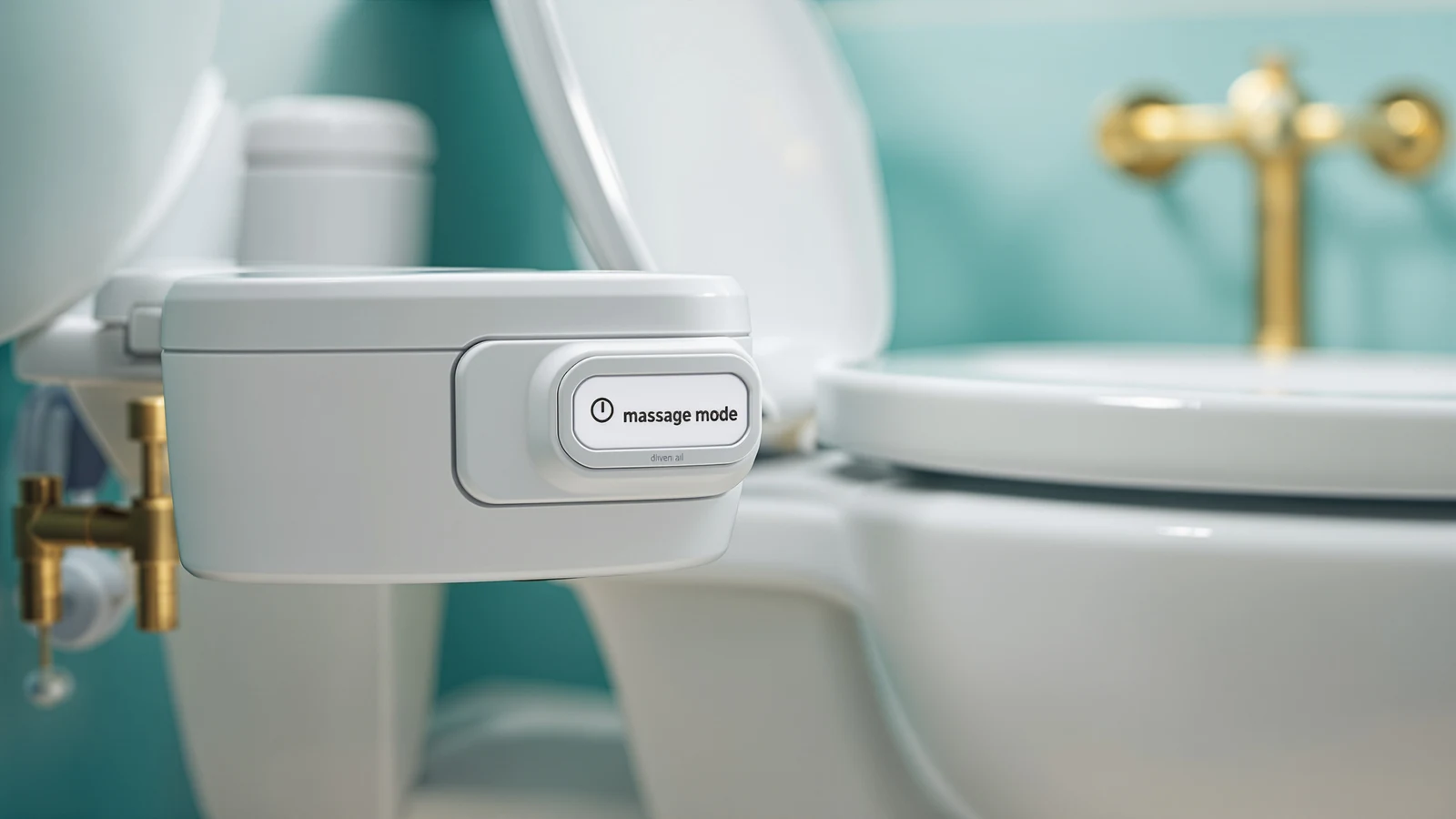
Every electric bidet seat starts from the same two base functions: a rear wash nozzle and a feminine wash nozzle, each with its own position and pressure. Past that baseline, brands add secondary behaviors — most commonly oscillating (the nozzle sweeps back and forth across a wider area instead of holding one spot) and pulsating (the pressure rises and falls in a rhythm instead of running as a steady stream). Those two are now common enough to appear on budget seats as well as premium ones.
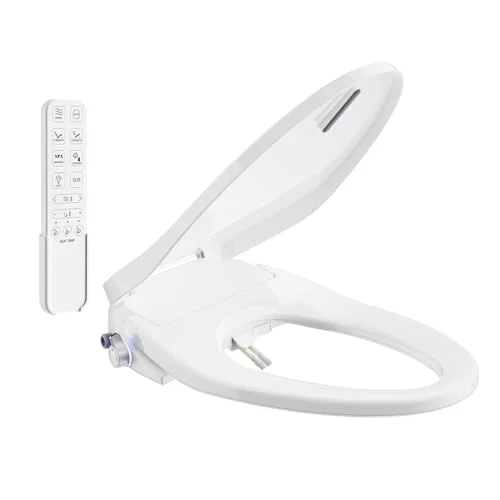
"Massage" doesn't always slot in the same place relative to those two. On the SR SUN RISE Electric Bidet Toilet Seat, the listing names four distinct modes in one sentence: "Standard, Power, Pulsating, and Hot & Cold Massage." That phrasing matters — Massage is listed as its own fourth option, separate from Pulsating, which already exists on the same seat as its own button. If Massage just meant "pressure that pulses," there would be no reason to list Pulsating and Massage separately on one control panel.
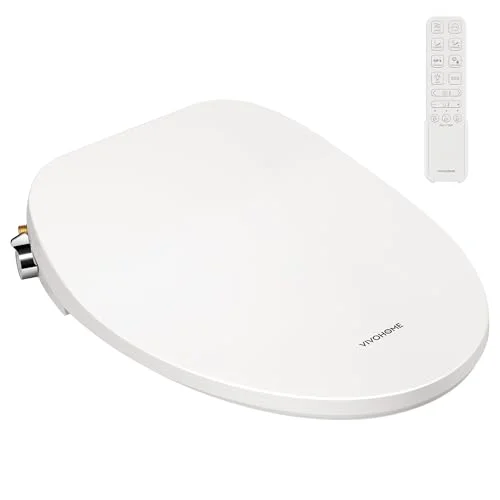
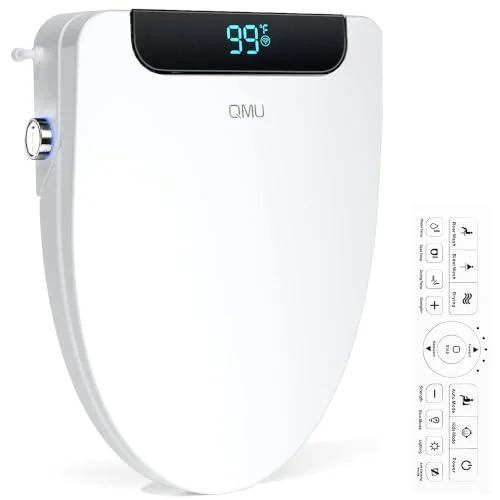
The QMU Electric Bidet Toilet Seat and the VIVOHOME Smart Electric Heated Bidet Toilet Seat use the word differently. QMU's listing describes "multiple wash modes — including gentle feminine wash, pulsating massage, and powerful rear cleaning," which reads as "massage" being the name attached to the pulsating behavior itself, not a fourth mode next to it. VIVOHOME's remote controls "rinsing settings (regular, powerful, and massage cleaning)" — three tiers of the same rear/feminine wash, with massage as the strongest or most varied of the three, again not a separate axis.
So before getting into mechanics: on one listing, massage is explicitly a fourth, separate mode. On the other two, it's the name given to an existing pressure-pattern setting. That's two different claims wearing the same word, and it's worth knowing which one you're looking at before you decide the word means anything specific.